Discover Rio Azul's Archaeological Wonders and Research
- rioazulproject
- Nov 7, 2025
- 4 min read
Updated: Nov 11, 2025
Rio Azul, a site nestled in the heart of Guatemala, holds a remarkable place in the study of ancient Maya civilization. Its archaeological treasures reveal stories of a complex society, rich culture, and vibrant history. This post explores the key discoveries at Rio Azul, the ongoing research efforts, and what these findings tell us about the Maya world.
The Significance of Rio Azul in Maya Archaeology
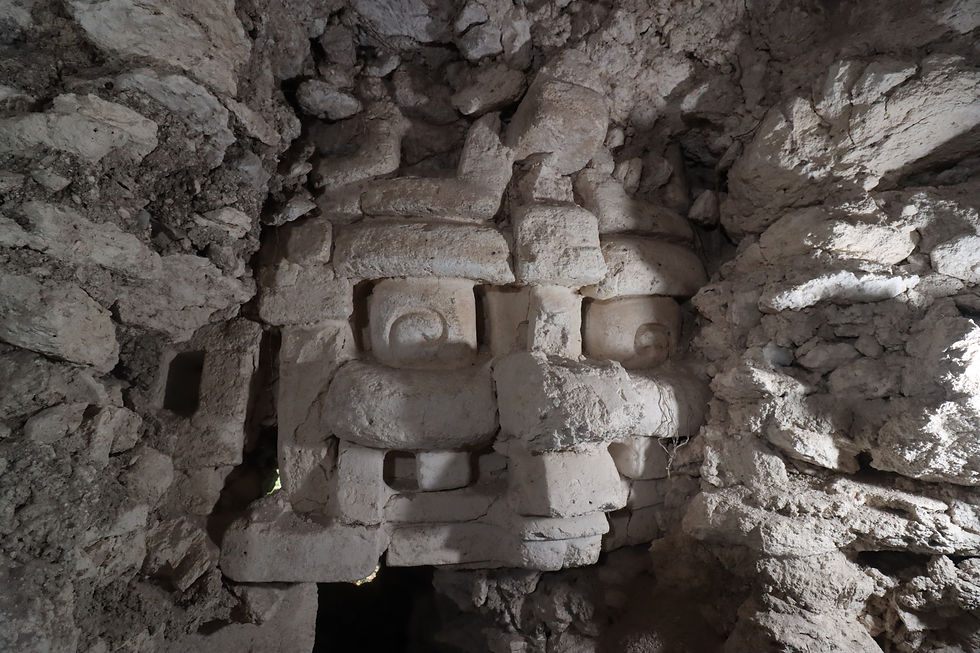
Rio Azul stands out among Maya sites due to its well-preserved monuments and unique artifacts. Excavations have uncovered royal tombs, intricate carvings, and evidence of early political power. The site dates back to the Early Classic period, around 250 to 600 AD, a time when Maya city-states were forming alliances and competing for dominance.
Archaeologists consider Rio Azul crucial for understanding the rise of Maya political structures. The site’s location near the northeastern Petén region made it a strategic hub for trade and cultural exchange. Its monuments provide insights into the relationships between Rio Azul and other powerful Maya centers like Tikal and Calakmul.
Key Archaeological Discoveries at Rio Azul
Several discoveries at Rio Azul have reshaped our understanding of Maya history:
Royal Tombs: The discovery of tombs belonging to elite rulers has provided valuable information about burial practices and social hierarchy. One tomb contained jade jewelry, ceramics, and a rare carved bone artifact, indicating the high status of the individual buried there.
Stelae and Inscriptions: Rio Azul features several stelae with hieroglyphic texts. These inscriptions record historical events, such as battles and alliances, offering a glimpse into the political life of the city.
Residential Structures: Excavations revealed residential complexes that show how the Maya lived daily. These structures include courtyards, platforms, and workshops, illustrating the community’s organization and economy.
Ceramics and Artifacts: The site yielded a variety of ceramics, including polychrome pottery with elaborate designs. These artifacts help date the site and reveal trade connections with distant regions.
How Researchers Study Rio Azul
Archaeologists use a combination of traditional excavation and modern technology to study Rio Azul. Ground-penetrating radar and aerial surveys help map the site without disturbing fragile structures. These tools have uncovered hidden buildings and roadways, expanding the known boundaries of the city.
Fieldwork at Rio Azul often involves interdisciplinary teams, including epigraphers, bioarchaeologists, and geologists. Epigraphers focus on deciphering the hieroglyphs to reconstruct historical narratives. Bioarchaeologists analyze human remains to understand health, diet, and social status. Geologists study soil samples to learn about environmental conditions and agricultural practices.
What Rio Azul Reveals About Maya Society
The findings at Rio Azul highlight several aspects of Maya civilization:
Political Power and Warfare: The inscriptions and tombs suggest that Rio Azul was a center of political power that engaged in warfare and diplomacy. The city’s rulers formed alliances and fought battles to control trade routes and resources.
Social Stratification: The elaborate tombs and luxury goods indicate a society with clear social divisions. Elite families controlled wealth and power, while commoners lived in simpler homes.
Cultural and Religious Practices: The carvings and artifacts reveal religious beliefs and rituals. Stelae often depict rulers performing ceremonies, emphasizing the connection between political authority and divine sanction.
Trade and Economy: Ceramics and other goods found at Rio Azul show extensive trade networks. The city likely exchanged jade, obsidian, and pottery with other Maya centers and possibly with regions beyond the Maya world.
Challenges and Future Directions in Rio Azul Research
Despite the progress, Rio Azul faces challenges that affect research:
Environmental Threats: The tropical climate accelerates the decay of exposed structures. Conservation efforts are essential to protect the site from erosion and vegetation overgrowth.
Looting and Vandalism: Illegal excavation and artifact theft threaten the integrity of Rio Azul’s archaeological record. Increased security and community involvement are vital to safeguard the site.
Limited Funding: Archaeological projects require sustained funding for excavation, preservation, and analysis. Support from academic institutions and cultural organizations helps maintain research momentum.
Future research aims to explore unexplored areas of Rio Azul, apply advanced dating techniques, and deepen the understanding of its role in the broader Maya world. Collaborative projects with local communities also seek to promote heritage awareness and sustainable tourism.
Visiting Rio Azul and Supporting Archaeology
For those interested in Maya history, Rio Azul offers a unique opportunity to witness ancient ruins and learn about archaeological work firsthand. Visitors can explore the site’s plazas, stelae, and tombs while guided tours provide context and stories behind the stones.
Supporting archaeological research at Rio Azul can take many forms:
Donations to Research Foundations: Contributing to organizations that fund excavations and conservation helps preserve the site.
Educational Programs: Participating in workshops and lectures raises awareness about Maya culture and archaeology.
Responsible Tourism: Visiting the site respectfully and following guidelines ensures its protection for future generations.
Rio Azul stands as a testament to the ingenuity and complexity of the ancient Maya. Its archaeological wonders continue to inspire researchers and visitors alike, revealing a civilization that shaped the history of the Americas.
Explore the mysteries of Rio Azul and consider how you can support the ongoing efforts to uncover and protect this invaluable heritage. The stories carved in stone here are waiting to be told, and your interest can help keep them alive.


Comments